The Founding of Tombstone
In 1877, the Arizona Territory was a wild and dangerous place. The U.S. Army was engaged in scouting operations against the Chiricahua Apaches, and soldiers at Camp Huachuca had a grim warning for any prospector foolish enough to venture into the hills alone: "All you'll find out there is your tombstone."
One man didn't listen. Edward Schieffelin, a determined prospector who had spent years searching for his fortune, ventured into the hostile wilderness anyway. On August 1, 1877, he discovered silver in what would become one of the richest mining sites in American history. Remembering the soldiers' warning, he named his first claim "The Tombstone."
Word of the strike spread like wildfire. Miners, merchants, gamblers, and outlaws flooded into the area. By 1879, the town of Tombstone was officially founded, and within a few short years, it had grown from a handful of tents into a booming city of nearly 12,000 people—larger than San Francisco at the time.
"I discovered the Tombstone and the Lucky Cuss, and the Tough Nut. I made a million dollars and I spent it all on whiskey, women, and gambling. The rest I wasted."— Attributed to Ed Schieffelin
The San Jose House: A Tombstone Original
Just months after Tombstone was founded, on October 9, 1879, a remarkable woman named Samantha Elizabeth Steinhoff Fallon purchased two lots on the corner of Fremont and Fifth Streets. Her vision was to build a boarding house to serve the flood of newcomers arriving in the booming silver camp.
Born in Canada on August 14, 1857, Samantha had already shed one husband by the time she arrived in Tombstone. Still in her twenties, she caught the attention of many eligible men in town—including Tombstone founder Ed Schieffelin himself. According to historical accounts, Schieffelin loaned her the money she needed to complete her boarding house project.
By June 1880, Samantha's San Jose House was up and running—one of the first establishments built in Tombstone specifically to accommodate overnight visitors and long-term boarders. The 12-room hotel rarely had a vacant room during the boom years.
"I used to take my prisoners down to the San Jose room house. They had no jail in Tombstone at that time. It was all Pima County and we had to take our prisoners to Tucson. In holding them in Tombstone I used to get a room in the San Jose and put a guard over them."— Wyatt Earp, on the San Jose House
The boarding house soon became known as one of the best meeting spots in town. Samantha hosted fund-raising dinners for the Methodist church and held auctions selling everything from lace and corsets to socks and hats. She even boasted that Ulysses S. "Buck" Grant II, son of the former U.S. President, sometimes roomed at her establishment.
On December 14, 1880, Samantha married local livery stable owner Zachary Hugh Taylor. The Arizona Weekly Citizen reported: "The wedding was very quiet, only the most intimate friends of the couple being present. Mr. and Mrs. Taylor left immediately after the wedding in a four-in-hand private carriage for Benson, where they took the train for San Francisco and the East."
In 1882, Samantha added a conservatory at the rear of the San Jose House. The Tombstone Epitaph praised her enterprise: "The flower beds, which are well stocked with choice plants, are tastefully arranged around the sides of the edifice, while the center is occupied by a low fountain—which, if the lady's botanical efforts are crowned with success, will in the near future 'gush forth in the midst of roses.' This is one of the first experiments of the kind ever tried in Tombstone."
Samantha eventually sold the San Jose House around 1907-1909 and settled in Glendale, California, where she continued renting rooms until her death on March 16, 1931. She is buried at Forest Lawn Memorial Park. Legend has it she left behind a manuscript describing her days in Tombstone and the people she knew who made the town famous—but that manuscript has never been found.
Today, the San Jose House still stands at its original location on the corner of Fremont and Fifth Streets. Guests can still spend the night in one of Tombstone's oldest surviving structures, walking the same halls that Wyatt Earp, his prisoners, and countless others walked during the wildest days of the Wild West.
A Timeline of Tombstone
Legendary Figures of Tombstone
The story of Tombstone is the story of the larger-than-life characters who walked its dusty streets. Lawmen and outlaws, madams and miners—all played their part in creating the legend of the Wild West.
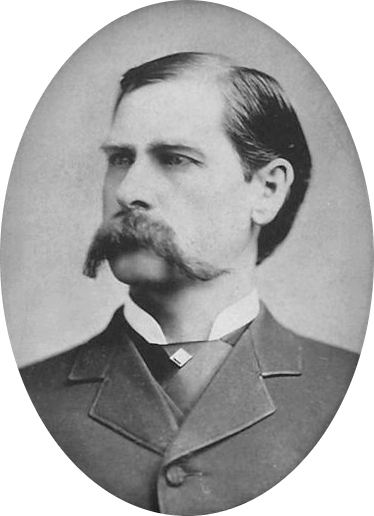
Wyatt Earp
1848 - 1929
The most famous lawman of the American West. Wyatt Berry Stapp Earp served as a deputy marshal in Tombstone and was central to the gunfight at the O.K. Corral. Unlike the myths, Wyatt never killed anyone in Tombstone until his Vendetta Ride after his brother Morgan's murder. He lived to age 80 and died in Los Angeles.
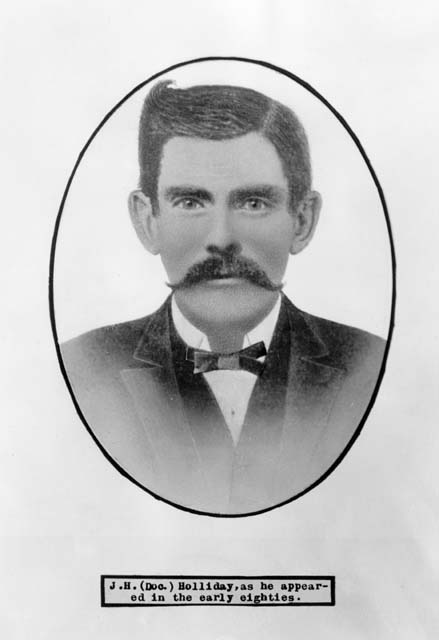
Doc Holliday
1851 - 1887
John Henry "Doc" Holliday was a dentist turned gambler and gunfighter. Diagnosed with tuberculosis at a young age, he moved West hoping the dry climate would help. He became Wyatt Earp's closest friend and deadliest ally. Despite his reputation as a killer, historical records suggest he may have killed only 1-3 men. He died of tuberculosis in Colorado.
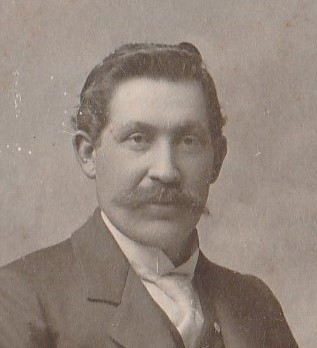
Virgil Earp
1843 - 1905
The eldest Earp brother and actual Town Marshal during the famous gunfight. Virgil was shot and seriously wounded during the O.K. Corral shootout and later ambushed and maimed by assassins. He survived multiple assassination attempts and continued working in law enforcement until his death.
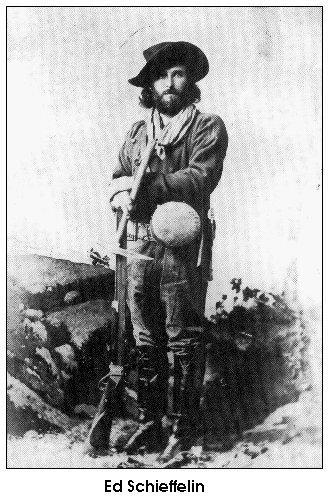
Ed Schieffelin
1847 - 1897
The prospector who discovered the silver deposits that created Tombstone. Despite making a fortune from his mining claims, he remained a prospector at heart and continued searching for new discoveries. He died at age 49 while prospecting in Oregon. His monument still stands near Tombstone.
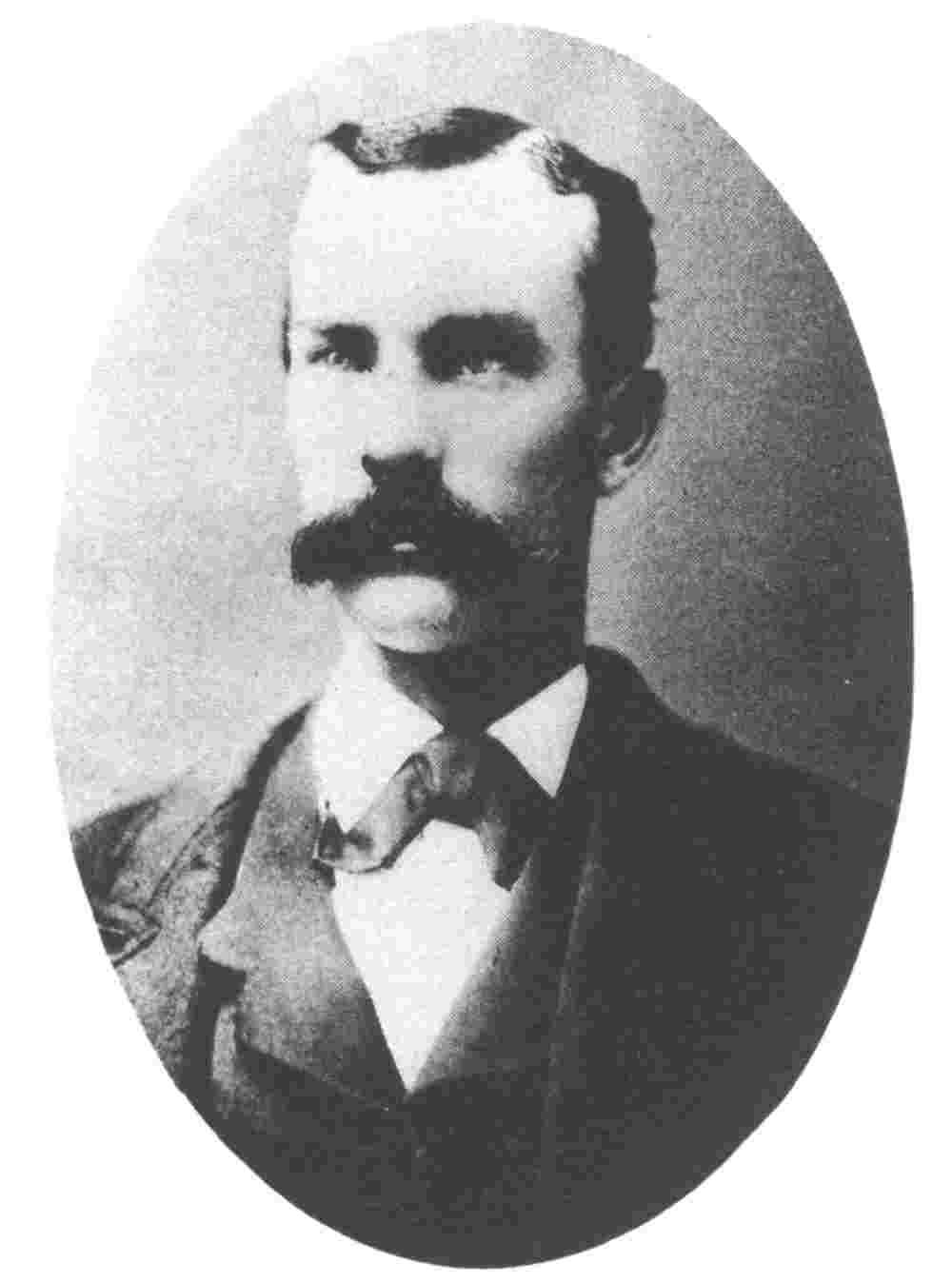
Johnny Ringo
1850 - 1882
John Peters Ringo was an outlaw and leader of the "Cowboys" gang that opposed the Earps. Known for his quick temper and deadly gunfighting skills. He was found dead under mysterious circumstances in July 1882, a single bullet wound to his head. His death remains unsolved—suicide, Wyatt Earp, or someone else?
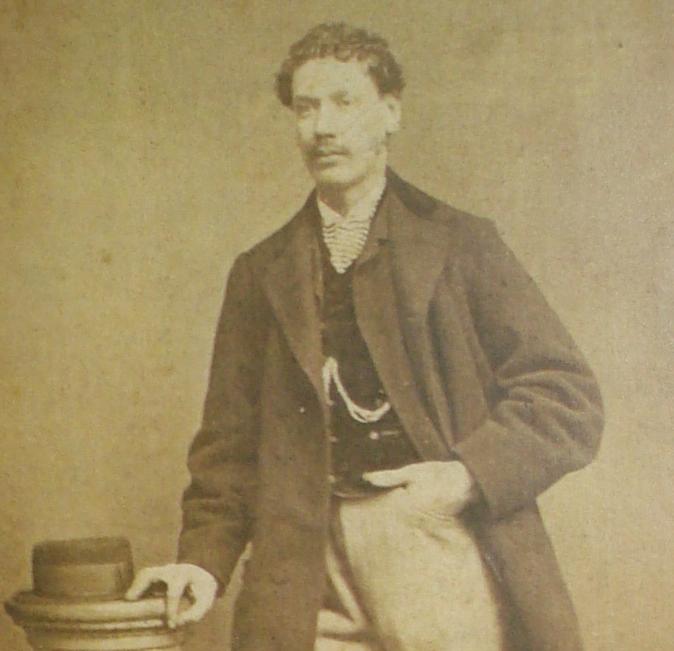
Curly Bill Brocius
? - 1882
William "Curly Bill" Brocius was a notorious outlaw and leader of the Cochise County Cowboys. He allegedly killed several people, including Tombstone's first town marshal. Wyatt Earp claimed to have killed Curly Bill during his Vendetta Ride in March 1882, though some historians dispute this account.
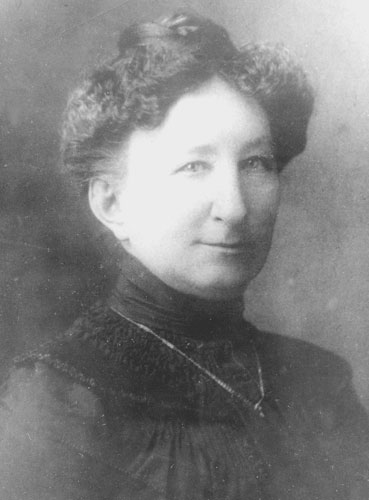
Big Nose Kate
1850 - 1940
Mary Katherine "Big Nose Kate" Elder was Doc Holliday's on-again-off-again companion for over a decade. A Hungarian immigrant, she worked as a dance hall girl, prostitute, and madam. She claimed to have helped Doc escape arrest by setting a fire as a diversion. She outlived Doc by over 50 years, dying at age 90.
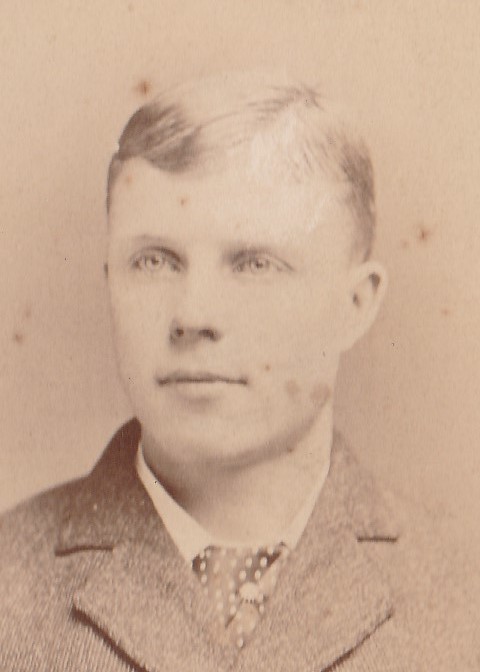
Ike Clanton
1847 - 1887
Isaac "Ike" Clanton was a rancher and leader of the Clanton gang. His threats against the Earps led directly to the O.K. Corral gunfight, where he fled unarmed before the shooting started. He later helped assassinate Morgan Earp. Ike was killed in a gunfight with lawmen in 1887 while resisting arrest for cattle rustling.
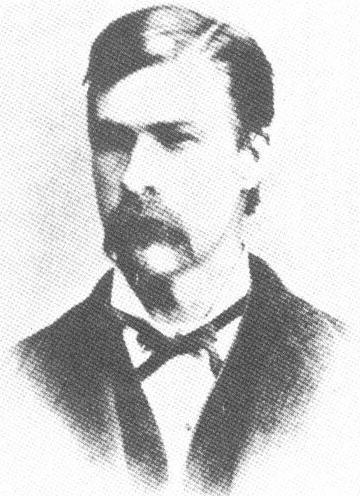
Morgan Earp
1851 - 1882
The youngest Earp brother in Tombstone, Morgan served as a special policeman. He fought alongside his brothers at the O.K. Corral and survived being shot in the shoulder. On March 18, 1882, Morgan was assassinated while playing billiards—a murder that would trigger Wyatt Earp's famous Vendetta Ride.
Events That Made History
Gunfight at the O.K. Corral
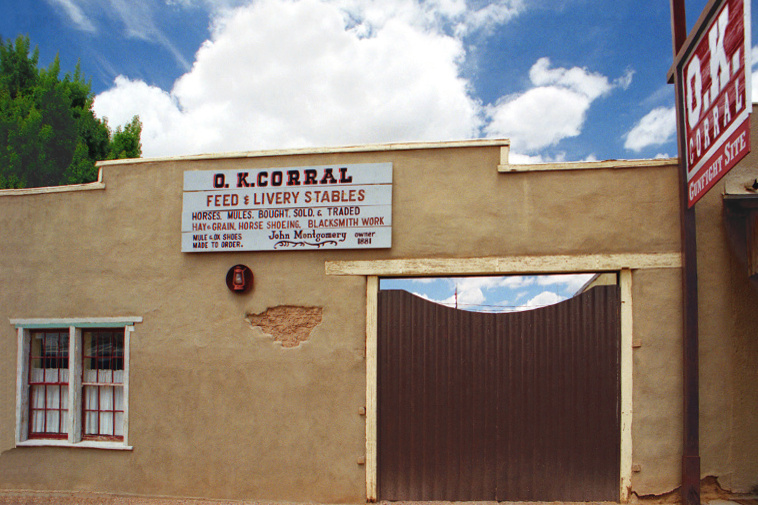
The most famous 30 seconds in Wild West history. Virgil Earp, deputized by his brothers Wyatt and Morgan, along with Doc Holliday, confronted Ike and Billy Clanton, and Frank and Tom McLaury near the O.K. Corral. When the smoke cleared, Billy Clanton and both McLaury brothers lay dead. Virgil and Morgan were wounded. The shootout was the culmination of a long-running feud between the lawmen and the "Cowboy" faction.
The Earp Vendetta Ride
After Morgan Earp's assassination, Wyatt Earp was appointed deputy U.S. Marshal and embarked on a hunt for those responsible. Over several weeks, Wyatt and his posse killed several members of the Cowboys gang, including Frank Stilwell and Curly Bill Brocius. The Vendetta Ride cemented Wyatt's reputation as one of the most feared gunfighters of the West.
The Bird Cage Theatre Era
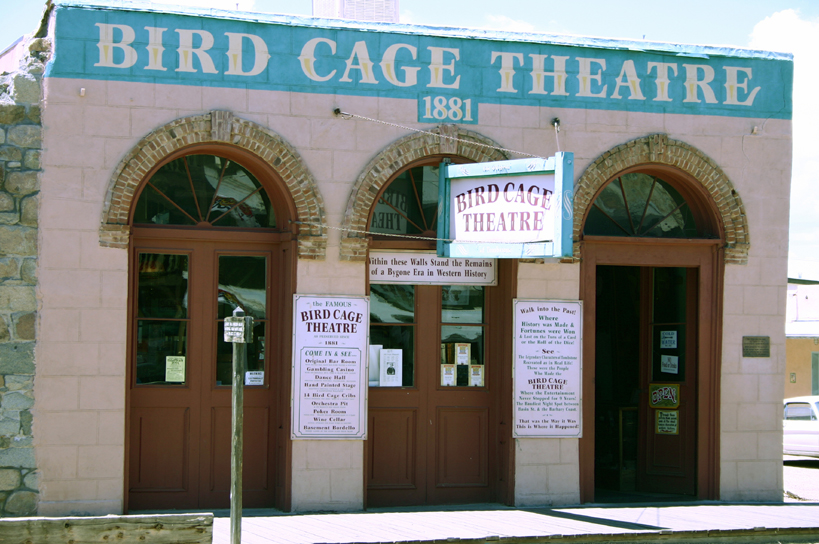
The Bird Cage Theatre opened in 1881 and operated 24 hours a day for 8 years. Called "the wildest, wickedest night spot between Basin Street and the Barbary Coast," it featured gambling, drinking, and entertainment in its saloon, with "bird cage" boxes where ladies entertained gentlemen. Over 120 bullet holes remain in the walls and ceiling as testament to its violent history.
The Tombstone Epitaph
John Clum founded The Tombstone Epitaph newspaper in 1880 with the motto "Every Tombstone Needs an Epitaph." It covered the O.K. Corral shootout and many other historic events. Remarkably, the newspaper is still published today, making it one of the oldest continuously published newspapers in Arizona.
Historic Landmarks
Many of Tombstone's historic buildings still stand today, preserved as museums and attractions that transport visitors back to the Wild West era.
O.K. Corral
Site of the famous 1881 gunfight. Today visitors can see live reenactments of the shootout and explore the historic corral where the confrontation began.
Bird Cage Theatre
Called "the wildest nightspot between Basin Street and the Barbary Coast." The original building stands preserved with bullet holes still visible in its walls.
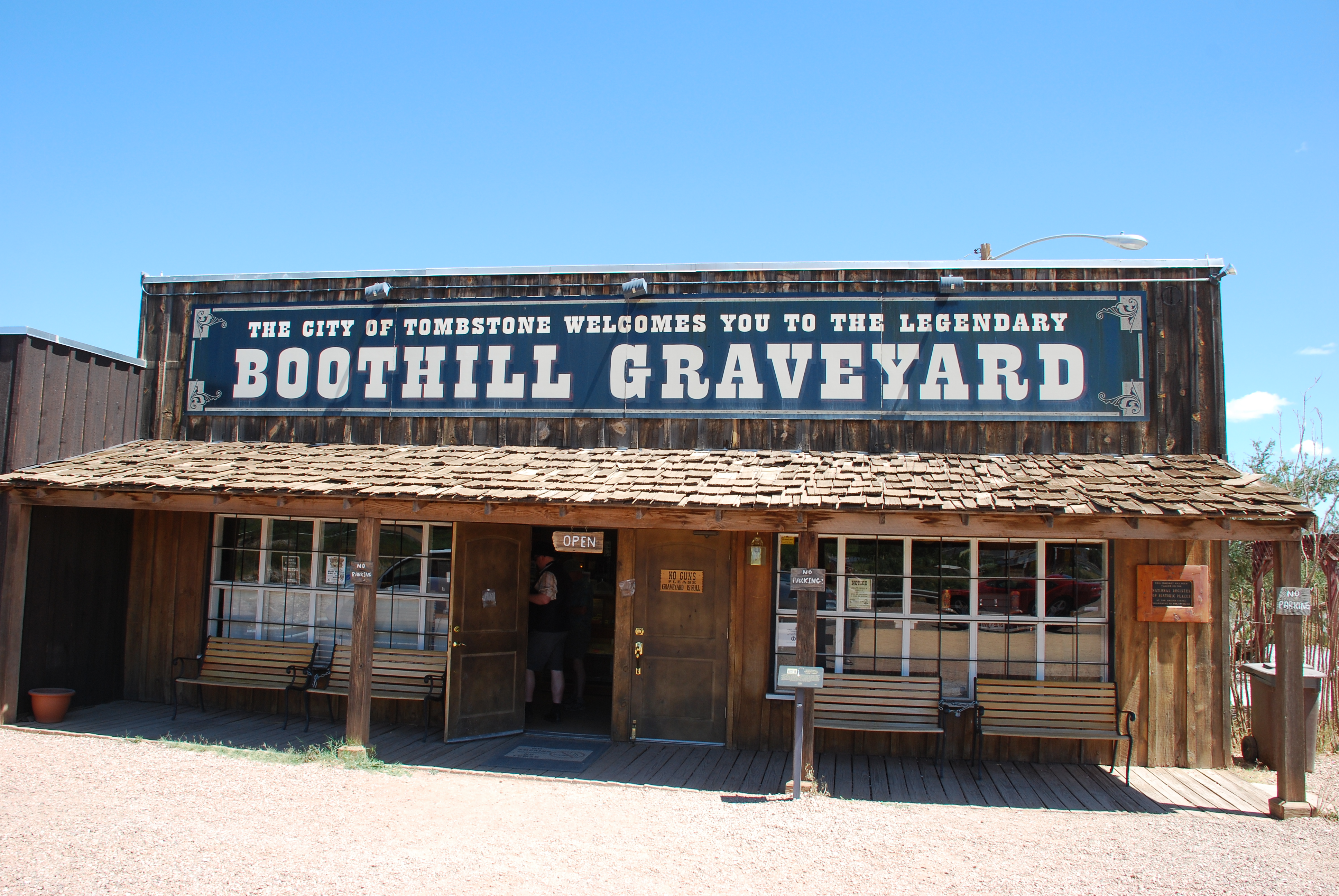
Boot Hill Cemetery
The final resting place for over 250 of Tombstone's residents. Famous graves include those killed at the O.K. Corral shootout and many who "died with their boots on."
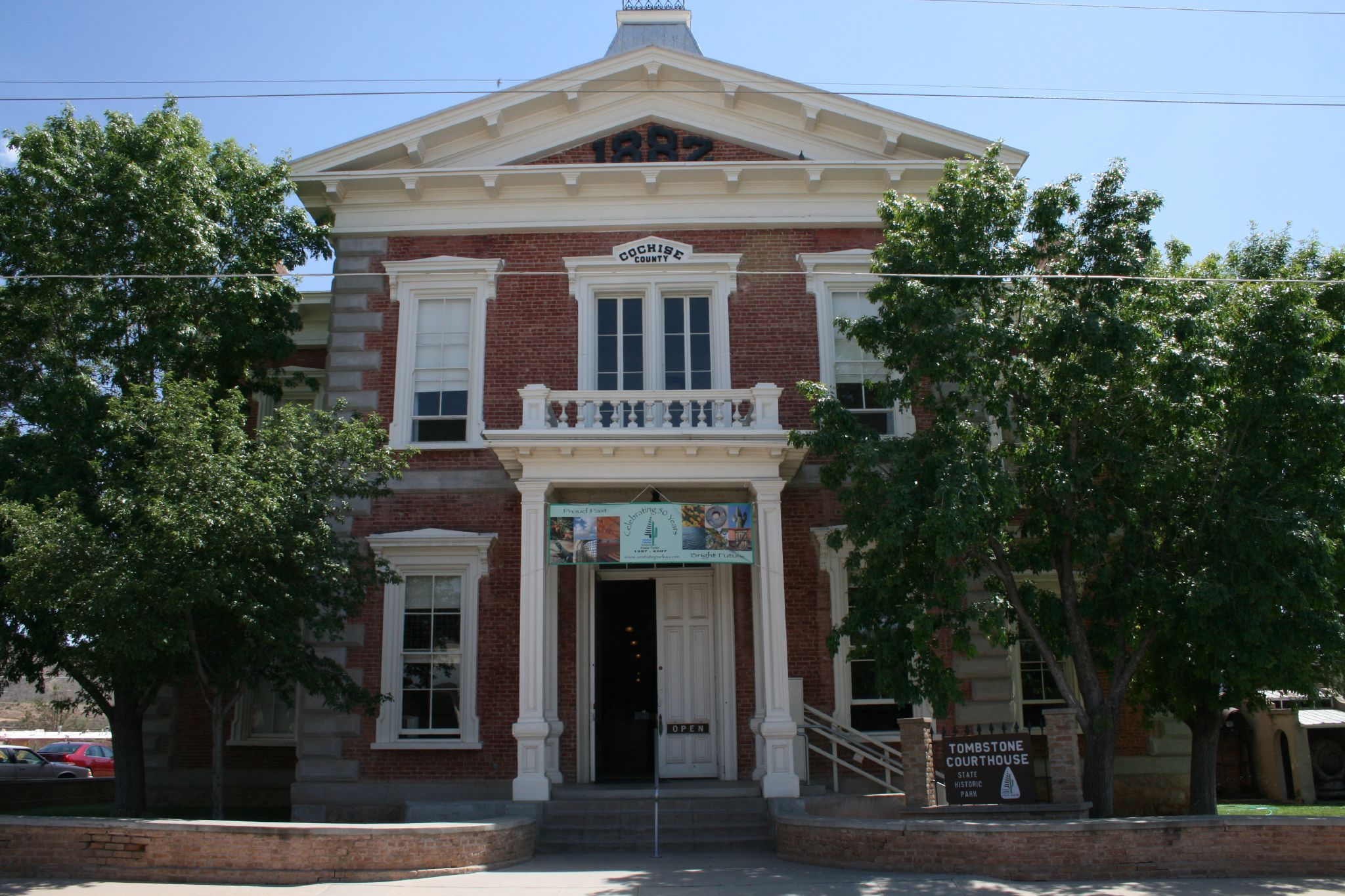
Tombstone Courthouse
Built in 1882, this Victorian-style courthouse now serves as a state historic park with exhibits on Tombstone's colorful history and the Earp family.
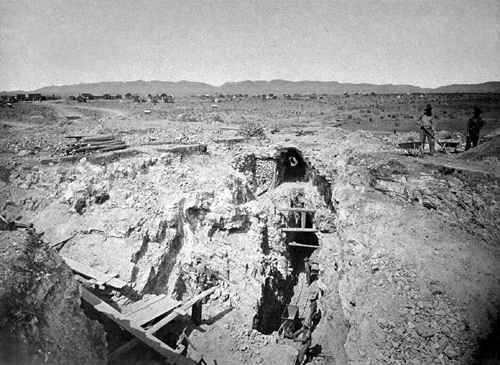
Good Enough Mine
One of Tombstone's most productive silver mines. Visitors can take underground tours to see the mine shafts and learn about 1880s mining technology.
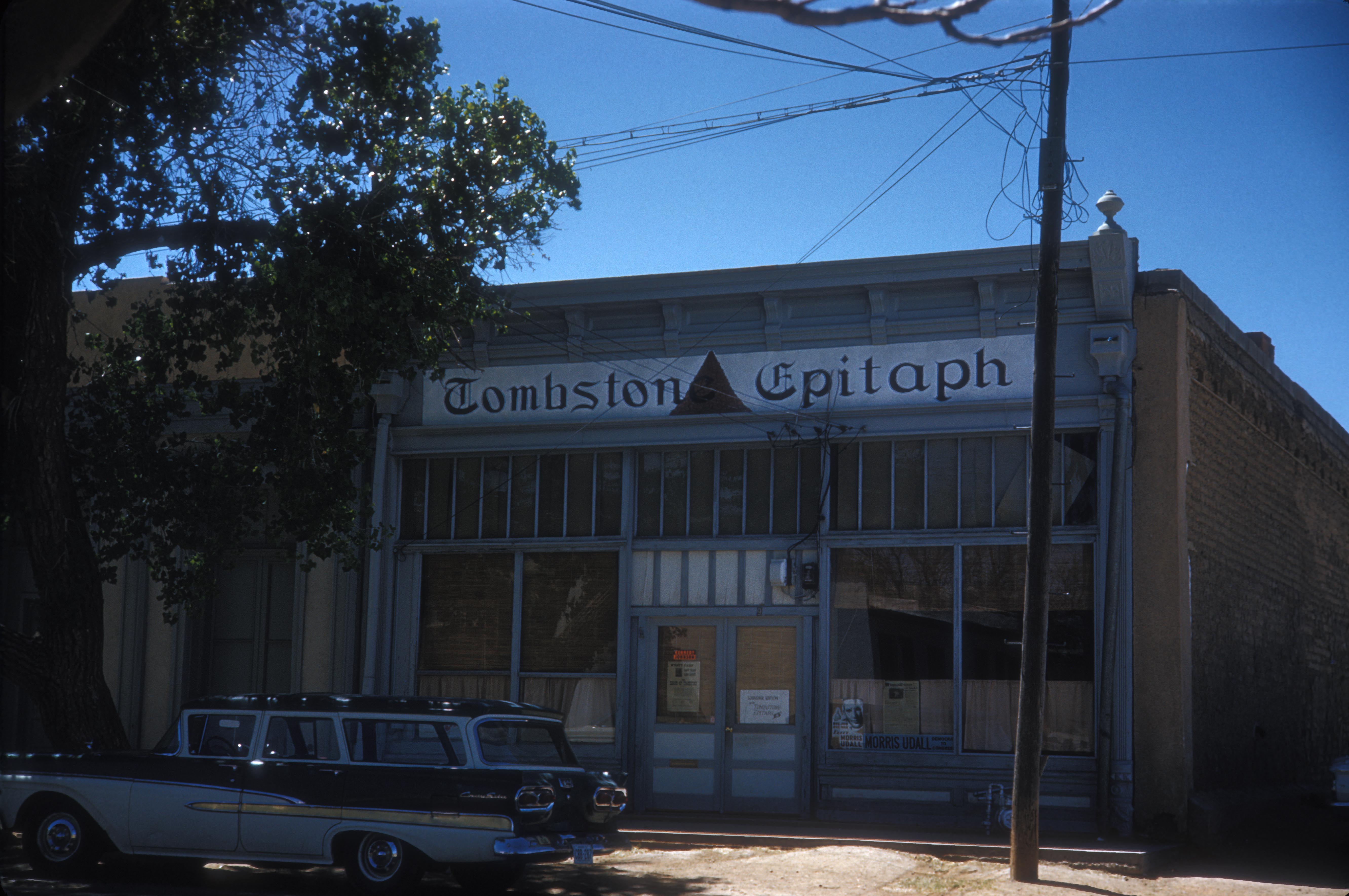
Tombstone Epitaph
The historic newspaper office where the Epitaph has been printed since 1880. Now a museum showcasing antique printing presses and newspaper history.
Did You Know?
Tombstone's history is full of surprising facts and fascinating trivia.
Ice Cream Pioneer
Tombstone had an ice cream parlor before New York City! Ice was shipped from the mountains to keep this frontier treat frozen in the desert heat.
Silver Boom
Tombstone's mines produced over $85 million in silver (worth over $2 billion today). At its peak, the mines yielded $500,000 per month!
24/7 Entertainment
The Bird Cage Theatre operated 24 hours a day for 8 straight years, never once closing its doors. It featured gambling, drinking, and entertainment around the clock.
Oldest Newspaper
The Tombstone Epitaph, founded in 1880, is still published today—making it one of the oldest continuously published newspapers in the American West.
Wild Weather
Tombstone experienced two devastating fires (1881 and 1882) that destroyed much of the business district. Each time, residents rebuilt the town within months.
30-Second Gunfight
The famous Gunfight at the O.K. Corral lasted only about 30 seconds, but approximately 30 shots were fired in that brief time—about one shot per second!
Remote Location
Despite its isolation in the Arizona desert, Tombstone was remarkably cosmopolitan. The town had residents from over 20 countries and newspapers in multiple languages.
Boot Hill Burials
About 250-300 people are buried at Boot Hill Cemetery, but nobody knows the exact count. Record-keeping was lax in a town where people "died with their boots on."
Historic Photo Gallery
Take a visual journey through Tombstone's storied past with these historical photographs.
Visit Tombstone
Located in southeastern Arizona, Tombstone is about 70 miles southeast of Tucson. Come experience the Wild West firsthand!
📍 Location
Tombstone is located on AZ-80, about 70 miles southeast of Tucson, Arizona.
⏰ Best Time to Visit
October through April offers pleasant weather. Summers can be very hot (100°F+).
🎫 Attractions
O.K. Corral, Bird Cage Theatre, Boot Hill Cemetery, Courthouse Museum, and daily reenactments!
🏨 Stay
Book your stay at the historic Tombstone San Jose House—est. 1879, one of the oldest buildings in town!
Experience History Firsthand
Stay at the Tombstone San Jose House, established in 1879, and walk the same streets as Wyatt Earp, Doc Holliday, and the legendary figures of the Wild West.
Book Your Historic Stay